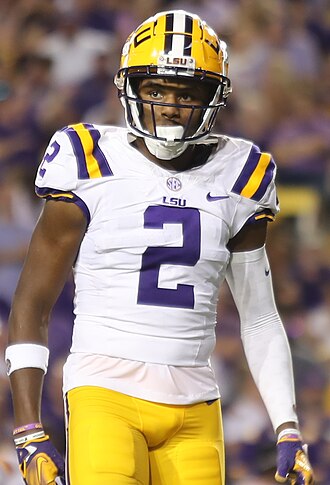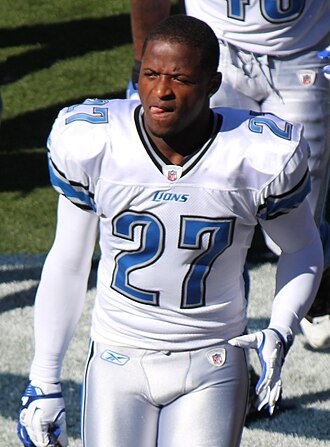
Every name on this page was an athlete: a son, a daughter, a teammate, a parent. Before we can change where this is going, we have to see clearly where it is. This is the record so far, and our plan to build a private place where athletes can heal before it's too late.
Every documented NFL (and AFL) player who died by suicide, newest first: years in the league, teams, and the date we lost them.
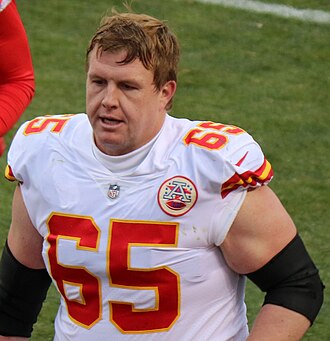

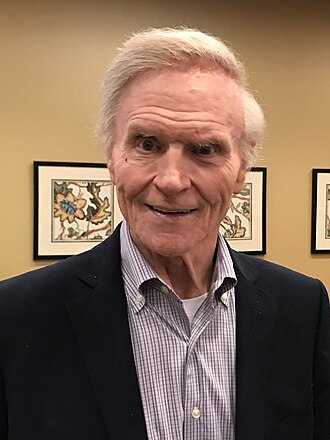
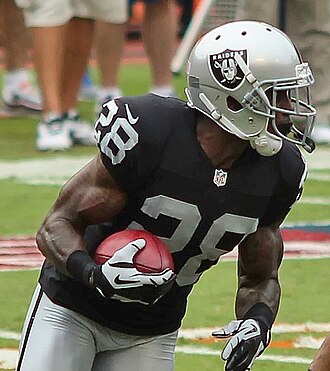
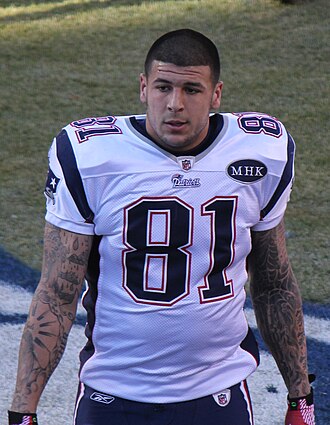
2010–2015 · NFL
49ers · Patriots · Seahawks · Raiders · Jets · Falcons
† Apr 8, 2021
CTE confirmed
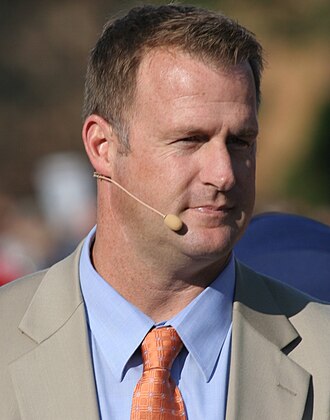
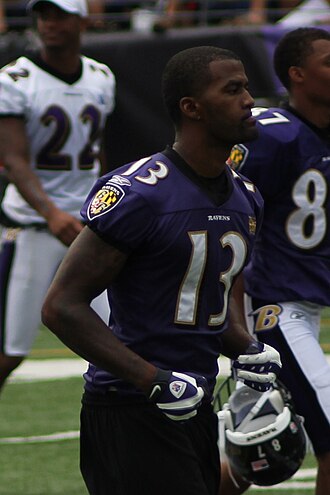
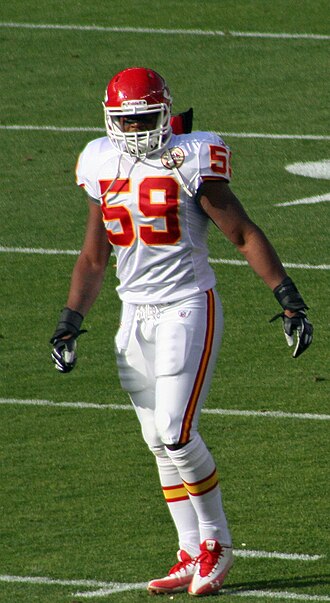
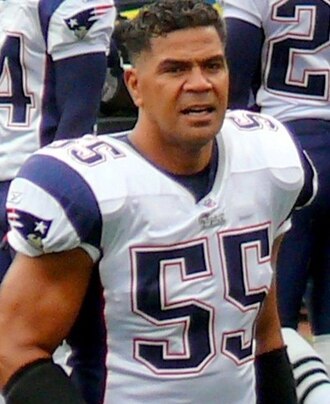
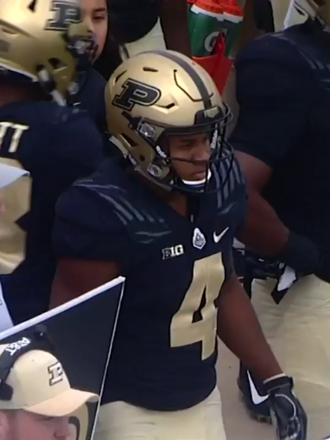
1990–2009 · NFL
San Diego Chargers · Miami Dolphins · New England Patriots
† May 2, 2012
CTE confirmed1983–1993 · NFL
Chicago Bears · New York Giants · Phoenix Cardinals
† Feb 17, 2011
CTE confirmed
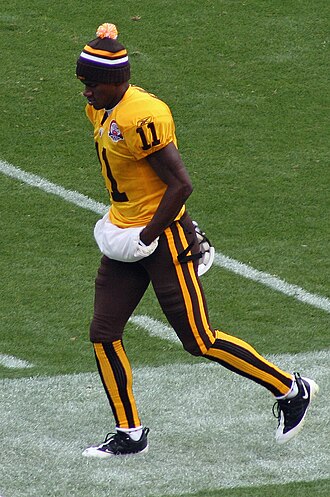
1992–2002 · NFL
Denver Broncos · Atlanta Falcons · Detroit Lions
† Jan 21, 2009
CTE confirmed1962–1968 · NFL
Minnesota Vikings · Baltimore Colts · New Orleans Saints
† Mar 28, 1995
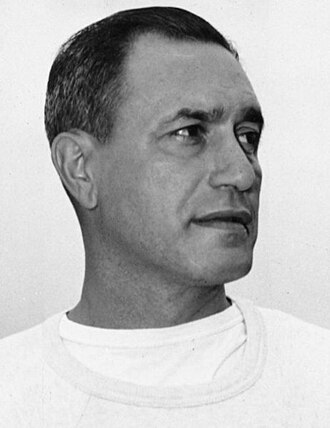
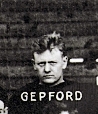
1927–1934 · NFL
Cleveland Bulldogs · Detroit Wolverines · New York Giants · Brooklyn Dodgers
† Nov 23, 1982
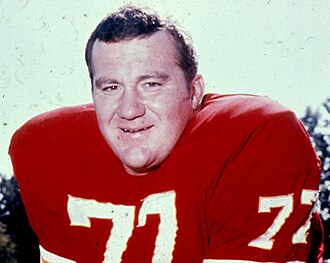
1961–1974 · NFL
Dallas Texans / Kansas City Chiefs · Washington Redskins
† Sep 15, 1980
CTE confirmed
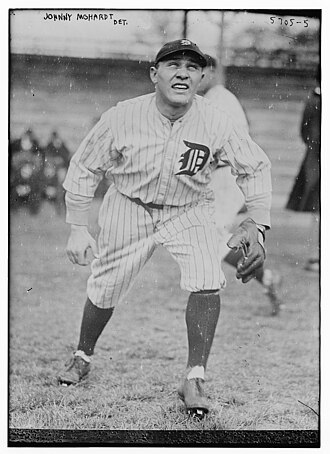
Sources: public records, medical examiner rulings and published news reports (each name links to its source). CTE confirmed means a brain study after death found chronic traumatic encephalopathy. Reported means police or news reported a suicide but no final ruling has been published. Photos are used only where a free license exists; otherwise a silhouette is shown.

Student-athletes who died by suicide while on, or just after leaving, a college roster since 2000, across football, soccer, track, lacrosse, basketball, softball and more.


These are only the families who went public. The NCAA's own death records count 128 student-athlete suicides from 2002–2022 alone, and most of those names were never published. We add a name only after we've confirmed it in a published source.
The documented totals, the trend lines, and the research connecting repeated head impacts, CTE and suicide.
Names on this page, by the decade of death. The 2020s aren't over yet.
Of 1,102 NCAA athlete deaths (2002–2022), the share caused by suicide doubled. It is now the #2 cause of death, behind accidents.
Source: Whelan et al., British Journal of Sports Medicine, 2024.
Preseason + regular season, games and practices (NFL / IQVIA injury data). 2025: game concussions rose 30% (129 → 168).
Hazard ratio for NFL players compared with MLB + NBA players (1979–2019, 34,013 players). Before 2011 the rates were the same. After 2010, NFL players' risk was 2.64× higher.
Source: Grashow et al., Harvard Football Players Health Study.
Reported NFL concussions peaked in 2017 (281) and fell to a record low in 2024 (182) after rule and helmet changes. Over the same years, documented suicides and CTE diagnoses kept rising. This is the key insight: CTE builds up from years of repeated hits, most of which never get diagnosed as concussions, starting in youth football. Damage done 10, 20 or 30 years ago is showing up now. Fewer diagnosed concussions today does not undo the hits already taken, and that's why former players need care now.
athletes who died before age 30 and were studied by Boston University's CTE Center had CTE (Dr. Ann McKee, 2026).
BBC Newsof 1,980 former pro players surveyed believe they have CTE. 25% of them report thoughts of suicide or self-harm, versus 5% of those who don't.
JAMA Neurology, 2024of the NFL players on this page were confirmed to have CTE after death. Most were never studied.
See the listplayers are evaluated for every concussion the NFL diagnoses. The hits that never get diagnosed are the ones that add up.
NFL, 2025Research shows strong links between repeated head impacts, CTE and suicidal thoughts, but suicide always has many causes. No single factor explains any one person's death.
Our mission begins at The Bridge, with a goal of saving 1,000 lives. That's our first step toward the attention, the proof and the partners we need to take on something bigger: a private, secure place built for athletes, active and retired, and their families, to get care and resources before it's too late. They should be able to heal the same way celebrities do at private treatment centers: quietly and with total privacy.
Save 1,000 lives at The Bridge. Earn the results, the credibility and the recognition that open bigger doors.
Pro sports produce oceans of data: game film, player tracking, replay, wearables and training systems. We'll start with a data licensing deal with the NFL, then the other major leagues and their teams. Each team is its own business and its own possible deal. Even one league deal could fund the entire program.
A place like The Bridge, better equipped for high-profile athletes. Private admissions, private stays and family-centered care, with no headlines.
MVPs are the people who can make this happen: former and current athletes who join as ambassadors with an upgraded membership, built for athletes, like our Kings & Queens. MVPs open the doors that matter: leagues, teams, and the brands and tech companies they already work with, including apparel, energy and sports-drink brands, wearable trackers and performance software.
I'll live in the CLARK HOF House for a year to make this happen. It's where we start building the replica of The Bridge for athletes: a home where athletes and their families can come, stay, and heal properly and privately.
MVP spot #1OPEN · $50,000 + a Hummer
Total MVP spots100
— Andrew Smart
🍪 We use cookies and similar technologies to run this site, remember your preferences, measure traffic, and improve your experience — and some tools help us understand which businesses visit us. By clicking Accept you agree to this use. You can decline non-essential cookies anytime. See our Privacy Policy.